Creating a peaceful and calming atmosphere in your home begins with the colors you choose. Colors influence our mood and energy, so selecting hues that promote relaxation can transform your living space into a serene retreat. If you’re planning to refresh your home’s look or want to create a harmonious environment, choosing calm colors is a great place to start.
In this post, we’ll explore practical tips for selecting calm colors, understand why certain shades work better for relaxation, and share ideas on how to use them in different rooms.
Why Choosing Calm Colors Matters
Colors have a powerful effect on our feelings and behavior. For example, vibrant reds and oranges can energize and stimulate, while blues and greens tend to calm and soothe. A home painted in restful colors can reduce stress, improve sleep, and promote a sense of well-being.
When you think about calm colors for the home, you’re aiming to create a space that feels inviting, peaceful, and comforting. This makes it easier to unwind after a busy day and enjoy your surroundings.
Popular Calm Colors for the Home
Here are some classic calm color options to consider:
– Soft Blue: Often associated with the sky and ocean, blue hues help lower blood pressure and encourage relaxation.
– Muted Green: Reminiscent of nature, greens help reduce anxiety and create a fresh, balanced feeling.
– Warm Beige and Taupe: Neutral, earthy tones add warmth without overwhelming the senses.
– Lavender and Soft Purple: These gentle shades can soothe the mind and inspire creativity.
– Pale Gray: A versatile neutral that pairs well with other colors to create a subtle, calming backdrop.
– Blush Pink: When used sparingly, this soft pink adds warmth and comfort without being too bold.
Tips for Choosing Calm Colors
1. Think About Natural Light
The amount and quality of natural light in your rooms affect how colors look. For example, a south-facing room with lots of sunlight can handle cooler blues or greens, whereas a north-facing room might benefit from warm beige or soft lavender to add warmth.
Spend some time observing your space at different times of the day to understand how light impacts color.
2. Start with Neutrals for Balance
Neutral colors like soft grays, creams, and taupe often work well as base colors. They provide a calming foundation and allow you to introduce other soothing shades through furniture, textiles, and accessories.
Using neutrals helps maintain flexibility in your decor plans and prevents the room from feeling too busy.
3. Add Soft Accent Colors
Once you have your neutral base, incorporate soft accent colors in smaller doses. This can be through throw pillows, rugs, curtains, or artwork. Using calm accent colors helps create depth and interest without overwhelming the senses.
4. Use Matte and Low-Sheen Finishes
Glossy or high-sheen paints can reflect light sharply and create a stimulating effect. For calm and serene spaces, matte or eggshell finishes work better as they absorb light softly and reduce glare.
5. Consider Your Personal Preferences and Lifestyle
Calm colors are personal, so consider which shades make you feel relaxed. Your lifestyle matters, too. For example, if you have children or pets, you might want to select shades that show less dirt and are easy to maintain.
6. Test Colors in Your Space
Paint large swatches on your walls before committing. Observe how the colors look at different times of day and under your lighting before making a final decision.
7. Think About Color Combinations
Pair calm colors thoughtfully. For instance, blue and beige work well together, as do soft greens and warm grays. Aim for complementary or analogous color schemes to keep the space harmonious.
How to Use Calm Colors in Different Rooms
Living Room
The living room is a central place to relax and entertain. Choose a soothing neutral base like soft gray or beige, then add calm blue or green accents with cushions, curtains, or rugs. Consider natural materials such as wood or stone to enhance the tranquil feeling.
Bedroom
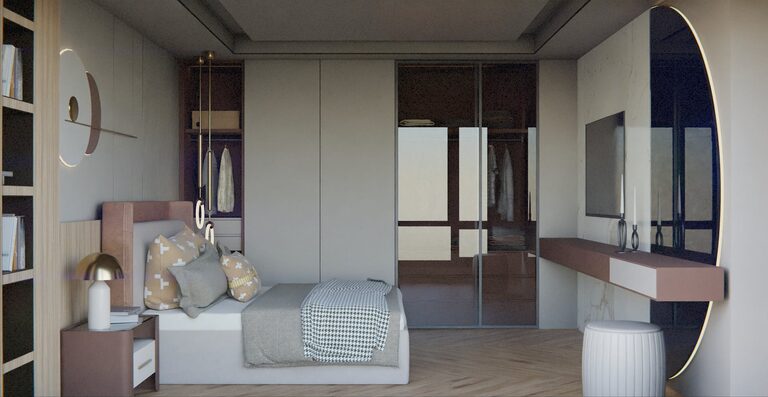
Since bedrooms are spaces for rest, soft blues, pale lavender, or gentle greens are excellent choices. Use these shades on walls or bedding to create a restorative setting. Keep the overall palette muted and avoid overly bright or dark colors.
Bathroom
Light colors that evoke cleanliness and calm work well in bathrooms. Soft aqua, mint green, or pale gray can promote a spa-like atmosphere. Use white fixtures and natural textures to complement the color scheme.
Kitchen
Create a calming kitchen by using warm neutrals or soft greens. These colors help keep the space inviting without overwhelming it. Consider painting cabinets in gentle shades and pairing them with white or light-colored countertops.
Home Office
For focus and calm, light blues and greens can enhance concentration and reduce anxiety. A crisp, soft gray also works as a base color to keep distractions minimal.
Additional Ways to Enhance Calmness Through Color
– Incorporate Natural Elements: Plants and natural textiles blend beautifully with calm colors and deepen the connection to nature.
– Use Layering: Combine different textures and shades of calm colors to create a cozy, inviting atmosphere.
– Limit Bold Patterns: Avoid too many strong patterns and bright colors that can clash with the calming palette.
Final Thoughts
Choosing calm colors for your home is an easy and effective way to cultivate a peaceful environment. By selecting soothing shades and pairing them thoughtfully, you can create rooms that feel welcoming, restful, and balanced.
Remember to take your time testing colors and consider the light and mood you want to create in each room. With these tips, you’ll be well on your way to designing a calming space you’ll love coming home to. Happy decorating!